Is Your Safeguarding Dependent on Key Individuals?
During governance reviews, there is one question I always ask. It consistently sits within my top three.
If your DSL left tomorrow, would safeguarding remain steady?
Would your governance feel robust or would it feel uncertain?
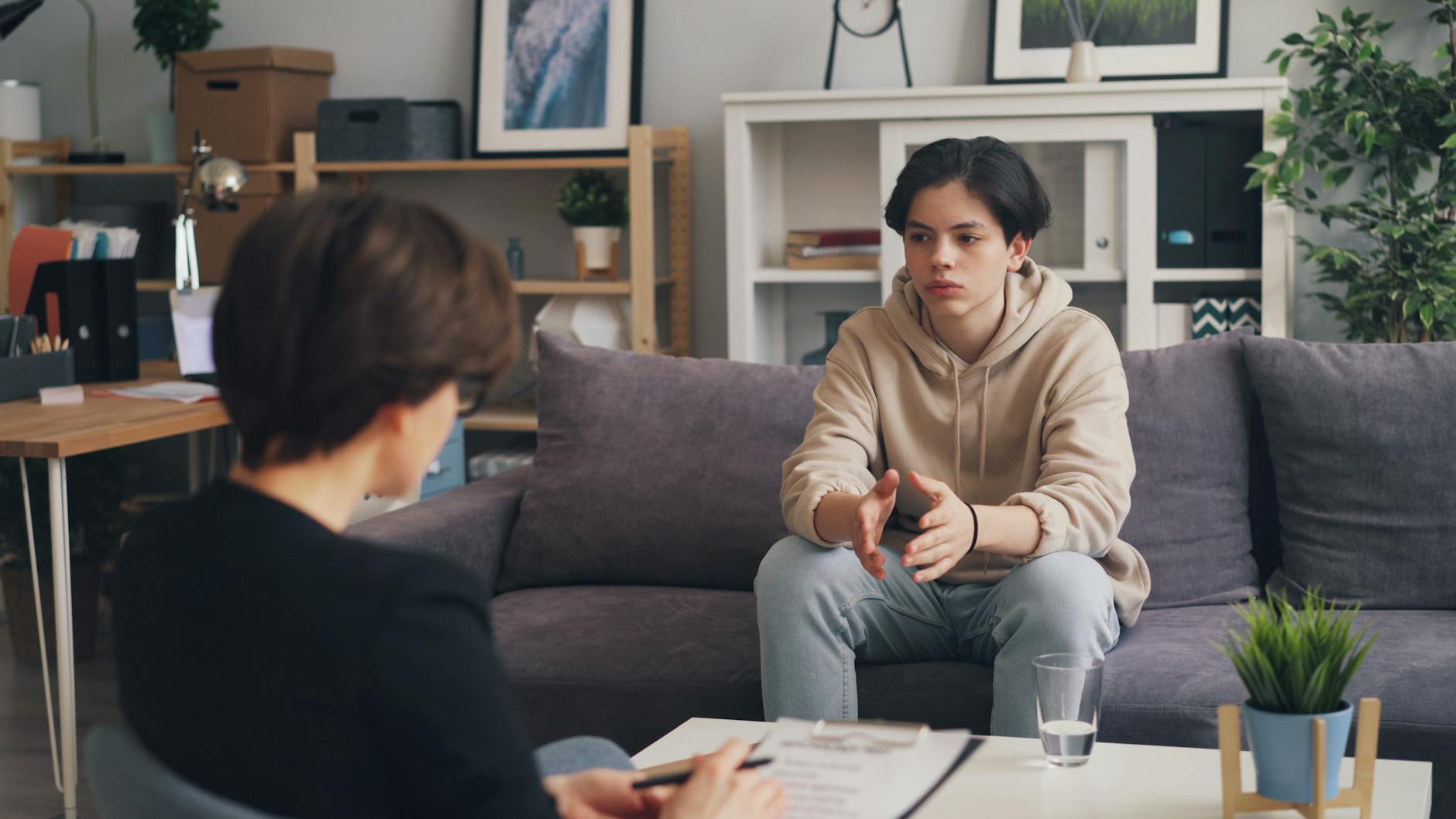
In many organisations I visit, there is one experienced DSL or Safeguarding Manager carrying significant operational responsibility. This is often not by design, but by necessity. Resources are limited, teams are stretched, recruitment can be difficult the list can go on.
And in recent years, particularly following COVID-19 and extended lockdowns, safeguarding referrals (especially those linked to mental health) have increased considerably across multiple sectors.
So the pressure is real, however, when safeguarding systems become heavily person-dependent, risk can develop. Many DSLs are highly skilled, committed professionals but the issue is structural concentration.
When knowledge, safeguarding thresholds, historical case understanding and procedural interpretation sit primarily with one individual, governance stability becomes vulnerable to change.
There are several areas where this can have impact.
First, continuity of support.
If a key safeguarding lead is absent unexpectedly, delays in case progression or uncertainty around decision making pathways can occur. Vulnerable individuals may not receive timely intervention.
Second, leadership visibility.
If safeguarding oversight is not structurally embedded at senior level, leadership may lack a full and accurate picture of emerging risks, referral patterns or escalation challenges. Governance then becomes reactive rather than proactive and assured.
Third, staff confidence.
When reporting routes and thresholds are understood informally rather than structurally, staff may hesitate. Uncertainty about who to approach or how concerns are managed can reduce reporting clarity.
These risks develop gradually through over-reliance on resilience rather than design.
I want to be clear, this is not a criticism.
I have worked in senior safeguarding roles within large, complex organisations. I understand what it feels like when referral numbers increase and capacity does not. I understand the weight of being the individual others turn to repeatedly throughout the day. I understand the isolation DSLs can feel when governance oversight exists in theory but not in visible structure.
But safeguarding should never be sustained solely by personal endurance. Strong safeguarding governance is structure dependent.
That means:
• Clear, documented escalation pathways that are understood across teams.
• Distributed accountability within senior leadership.
• Board level reporting that focuses on safeguarding risk, not only activity.
• Supervision and reflective space built into safeguarding roles.
• Succession awareness within governance planning.
When these elements are in place, safeguarding remains steady through change. Most importantly, vulnerable people continue to receive timely and structured support.
This is why I continue to return to that original question. If your DSL were absent tomorrow, or next month, would your safeguarding oversight remain robust?
Or would leadership feel exposed?
Strong organisations periodically review safeguarding structures not because something has gone wrong, but because they understand governance responsibility at senior board level.
Safeguarding must be understood and owned within leadership levels and embedded within organisational culture. It shouldn’t rely on one capable individual carrying the weight.
If you would value a structured, developmental review of your safeguarding governance framework, I work alongside leadership teams to strengthen their safeguarding cultures.
BCS Safeguarding
Building Safer Cultures.


Leave a Reply